Dress codes explained: black tie, lounge suit and “smart” in Europe's grand rooms
An invitation says “black tie”, a restaurant says “smart”, a golf club says “no denim”. What each one actually means, and how to get it right everywhere from Mayfair to Monte-Carlo.
White tie
The most formal code of all: a black tailcoat, white piqué waistcoat, wing-collar shirt and white bow tie. You will meet it at state banquets, a few balls and the grandest opera galas. If the invitation says white tie, there is no substitute.
Black tie
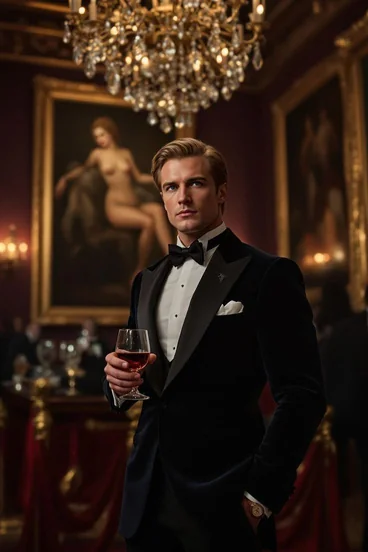
A dinner jacket in black or midnight blue, with satin or grosgrain facings, matching trousers with a braid, a white dress shirt and a black bow tie you tie yourself. Black patent or highly polished shoes. In summer on the Riviera, a white or ivory dinner jacket is correct; in a city in winter, it is not.
Lounge suit, or business attire
A dark suit and tie. This is what “jacket and tie required” means in the few restaurants and hotel dining rooms that still insist, such as the Restaurant at The Ritz London. Navy and charcoal are always right; save brown for the country.
Smart, or smart casual
The most misunderstood code. In a palace hotel or a three-star restaurant it means a jacket, collared shirt, trousers and leather shoes, with or without a tie. It does not mean trainers, shorts or sportswear. When in doubt, wear the jacket: you can always take it off.
On the golf course
Collared shirt, tailored trousers or shorts, golf shoes, and no denim. Many private clubs also expect a jacket and tie in the clubhouse dining room. Ask the secretary before you arrive.
Casinos and cigar lounges
The gaming rooms of the Casino de Monte-Carlo and Casino Wien expect smart dress; Vienna will lend you a blazer. Cigar lounges in palace hotels follow the hotel's own evening code.